

Table of Contents
Learning how to add bluetooth to car systems never designed for wireless connectivity liberates owners from outdated audio limitations. Vehicles manufactured before bluetooth integration became standard leave drivers disconnected from modern smartphone functionality without proper retrofit solutions.
Many owners assume their older vehicles cannot gain wireless capability without expensive modifications. This misconception keeps drivers struggling with aux cables, CD changers, or repetitive radio programming unnecessarily. Understanding retrofit options reveals simple paths to modern connectivity regardless of vehicle age.
Why Older Vehicles Lack Bluetooth
Older vehicles lack bluetooth because the technology hadn’t reached automotive mainstream when they were manufactured. Even luxury vehicles from certain eras predate wireless audio integration entirely.
Automotive manufacturers began incorporating factory bluetooth gradually through the mid-2000s. Vehicles produced earlier lack this capability regardless of original purchase price or equipment level. Even well-equipped luxury models from this era shipped without wireless functionality.
Understanding this context helps owners realize their vehicles aren’t deficient but simply represent different technological eras. Learning how to add bluetooth to car systems bridges this gap effectively without replacing functional factory equipment.
The FM Transmitter Solution
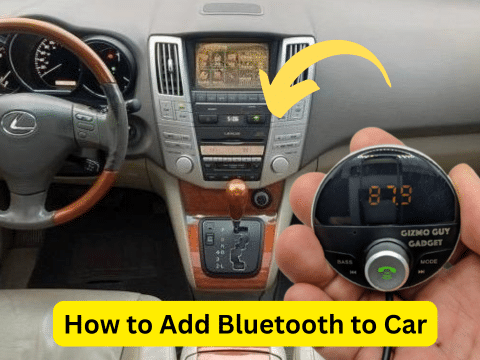
The FM transmitter solution represents the most universal method for how to add bluetooth to car audio systems. This approach works in virtually any vehicle with functioning FM radio regardless of age or manufacturer.
These devices plug into your power outlet and receive audio wirelessly from your phone. They then broadcast through FM frequencies your factory radio receives naturally. The elegant simplicity bypasses all vehicle-specific electronics creating truly universal compatibility.
Premium FM transmitters have evolved dramatically from early implementations. Advanced noise cancellation eliminates electrical interference. Precise frequency control prevents drift. Modern devices deliver sound quality surprising owners expecting typical FM performance from past experiences.
Step-by-Step FM Transmitter Setup
The setup process for how to add bluetooth to car systems through FM transmission takes under two minutes. The straightforward procedure requires no tools or technical expertise.
Locate your power outlet in the center console area. Plug the transmitter firmly ensuring solid electrical connection. Turn your ignition to accessory mode providing power to the outlet. Indicator lights confirm operational status.
Access your phone’s bluetooth settings and scan for available devices. Select your transmitter from the discovered device list. Pairing completes automatically without PIN codes. Tune your radio to an unused FM frequency matching your transmitter setting.
Finding Clear FM Frequencies
Finding clear FM frequencies maximizes audio quality when learning how to add bluetooth to car systems through FM transmission. Competing broadcast stations create interference degrading listening experiences.
Lower frequencies around 87.9 to 88.5 typically experience less competition in most markets. Scan through options listening for static indicating unused channels. Avoid frequencies with any audible broadcast content even if interference seems minor.
Urban areas with dense radio coverage require more experimentation than rural locations. Premium transmitters include memory presets storing multiple working frequencies for different areas. Quick switching maintains quality when driving through varying radio landscapes.
Auxiliary Input Adapter Alternative
Auxiliary input adapter alternatives provide another method for how to add bluetooth to car systems equipped with AUX jacks. These small receivers connect wirelessly to phones then transmit through physical cables.
The direct connection bypasses FM broadcasting entirely. Audio travels from adapter through cable to your stereo’s auxiliary input. This approach theoretically provides cleaner signal paths than FM transmission methods.
However, this method requires vehicles equipped with auxiliary inputs. Many older cars lack AUX jacks entirely, eliminating this option regardless of other preferences. Verify your vehicle includes this input before considering auxiliary adapter solutions.
CD Changer Port Integration
CD changer port integration offers another approach for how to add bluetooth to car systems in certain vehicles. Specialized adapters connect to ports designed for external CD changers behind factory radios.
This method provides direct connection to your audio system rather than FM broadcasting. The adapter communicates using protocols your radio expects from CD changers. Steering wheel controls sometimes function through these connections.
Installation requires removing your factory radio accessing the CD changer port. The process demands comfort with vehicle disassembly and patience working in confined spaces. Professional installation adds significant cost beyond adapter hardware prices.
Vehicle-Specific Considerations
Vehicle-specific considerations affect which method works best when learning how to add bluetooth to car audio in different applications. Each vehicle type presents unique characteristics influencing optimal approaches.
Classic vehicles strongly favor FM transmission for Factory Radio preservation. Zero modifications maintain authenticity crucial for collector vehicles. Vintage cars lack auxiliary inputs and CD changer ports making FM the only viable wireless option.
Luxury vehicles with sophisticated audio systems deserve quality implementations. The Mercedes Audio Systems demonstrate how revealing speakers expose source quality differences. Premium transmitters deliver clean signals these sophisticated speakers reproduce faithfully.
Sound Quality Expectations
Sound quality expectations should remain realistic when learning how to add bluetooth to car systems through various methods. The fundamental limitation isn’t retrofit equipment but compressed streaming audio most users transmit.
Spotify, Apple Music, and similar services deliver audio already processed for mobile bandwidth efficiency. Premium retrofit solutions preserve this quality without introducing additional degradation. Expecting audiophile-quality reproduction from compressed sources proves unrealistic regardless of connection method.
Premium FM transmitters achieve results effectively indistinguishable from direct connections for typical streaming audio. The theoretical advantages of wired approaches matter primarily with high-resolution sources few users actually employ while driving.
Hands-Free Calling Integration
Hands-free calling integration completes comprehensive how to add bluetooth to car implementations. Quality transmitters include microphones enabling legal, safe phone communication while driving.
Most jurisdictions prohibit handheld phone use while driving. Retrofit solutions with integrated hands-free capability address this legal requirement while adding audio streaming functionality simultaneously.
Premium microphones with noise cancellation deliver clear call audio even at highway speeds. Callers hear you distinctly without struggling through road noise and wind interference. The professional call quality proves essential for business communication during commutes.
Charging Capability Benefits
Charging capability benefits extend practical value beyond audio when learning how to add bluetooth to car systems. Premium transmitters include USB ports for device charging alongside wireless streaming.
Fast charging through USB-C ports replenishes batteries quickly despite heavy streaming and navigation use. This proves essential during long trips where continuous phone use would otherwise deplete batteries completely.
Multiple charging ports accommodate passengers needing power simultaneously. The practical feature benefits families and carpoolers sharing vehicles regularly. Charging functionality alone justifies investment for many drivers regardless of audio streaming capabilities.
Installation Comparison
Installation comparison reveals dramatic differences between how to add bluetooth to car approaches. Complexity levels range from instant plug-and-play to hours of professional work.
FM transmitters require only plugging into power outlets and basic configuration. Complete setup takes under two minutes. No tools required. No vehicle modifications made. The simplicity makes wireless audio accessible to everyone regardless of technical expertise.
CD changer integration requires dashboard disassembly, connector access, and proper reassembly. First attempts typically take one to two hours. Professional installation adds several hundred dollars to hardware costs. The complexity suits only technically comfortable owners.
Cost Analysis
Cost analysis reveals significant differences between how to add bluetooth to car methods. Budget considerations affect which approaches prove practical for different owners.
Premium FM transmitters cost one hundred to two hundred dollars with zero installation expense. Total investment remains modest while delivering comprehensive wireless functionality including streaming and hands-free calling.
CD changer adapters cost similar amounts for hardware but professional installation doubles total investment. The additional expense provides steering wheel control integration and theoretical sound quality advantages that most users cannot detect during normal listening.
Portability Advantages
Portability advantages distinguish simple retrofit solutions when learning how to add bluetooth to car systems. FM transmitters transfer between vehicles instantly without tools.
Households with multiple vehicles benefit from single adapters serving all cars. Transfer takes seconds rather than installing separate systems in each vehicle owned. This flexibility provides exceptional value for families with diverse vehicle collections.
Rental car situations benefit similarly. Travelers bring familiar adapters providing consistent wireless experience regardless of vehicle assignment. The portability proves invaluable for frequent travelers wanting connectivity everywhere.
Long-Term Reliability
Long-term reliability determines whether how to add bluetooth to car investments deliver lasting satisfaction. Construction quality affects lifespan dramatically across different approaches.
Premium FM transmitters feature robust construction withstanding automotive environments effectively. Metal housings dissipate heat. Quality components tolerate temperature extremes. The durability delivers years of reliable service, similar to longevity considerations covered in Tips and Tricks for vehicle maintenance.
Budget options typically fail within months as cheap components degrade under automotive conditions. Replacing multiple budget adapters costs more than single premium purchases over ownership periods.
Making Your Selection
Making informed selections for how to add bluetooth to car systems requires matching methods to your specific situation. Vehicle capabilities, technical comfort, and priorities guide optimal choices.
FM transmission suits most drivers through universal compatibility and effortless installation. Any vehicle with FM radio gains wireless capability within minutes. The practical advantages outweigh theoretical benefits from more complicated approaches.
Direct connection methods serve owners with compatible vehicles who prioritize steering wheel integration or theoretical sound quality advantages. Verify your vehicle supports chosen connection methods before committing.
Moving Forward
Learning how to add bluetooth to car systems originally lacking this capability proves simpler than most owners expect. Universal retrofit solutions work regardless of vehicle age or manufacturer.
Your older vehicle gains modern wireless connectivity through straightforward plug-in approaches. Streaming audio, hands-free calling, and device charging arrive without complicated installations or expensive modifications. The right retrofit solution bridges technological gaps effectively.
Frequently Asked Questions (FAQs)
1. Will This Work in My Very Old Vehicle?
Yes, FM transmitter solutions work in any vehicle with functioning FM radio regardless of age. Classic cars from decades past accept wireless audio identically to modern vehicles. The universal FM approach bypasses all vehicle-specific electronics, creating compatibility extending back to any era with FM radio capability.
2. Do I Need Professional Installation?
No, FM transmitter solutions require zero professional assistance. Simply plug into your power outlet, pair your phone, and tune your radio. The complete process takes under two minutes without tools. Only CD changer integration approaches require professional installation for most owners.
3. How Does Sound Quality Compare to Modern Cars?
Sound quality depends on your vehicle’s speakers and amplification more than retrofit equipment. Premium transmitters deliver clean signals your existing audio system reproduces faithfully. Most drivers find retrofit quality satisfying for typical streaming audio listening through factory speakers.
4. Can I Add Hands-Free Calling Too?
Yes, quality retrofit solutions include microphones enabling hands-free calling alongside music streaming. Premium adapters feature noise cancellation delivering clear call audio even at highway speeds. The unified functionality addresses both entertainment and communication needs through single devices.
5. Will This Affect My Vehicle’s Value?
No, plug-in retrofit solutions require zero modifications preserving vehicle value completely. Removing adapters returns vehicles to totally stock condition instantly. This reversibility proves especially important for classic cars where originality affects collector values significantly.