

Table of Contents
That high-pitched alternator whine rising with your RPMs ruins the C6 Corvette driving experience, leading many owners to splice into their XM modules hoping to add aux input while solving the noise problem. Forum discussions document the disasters that follow these well-intentioned modifications.
The XM aux hack seems elegant on paper. Tap into existing satellite radio wiring to create auxiliary input without visible modifications. What could go wrong? Everything, as countless owners have discovered through battery drain, persistent alternator whine, and damaged factory electronics.
The XM Aux Hack Explained
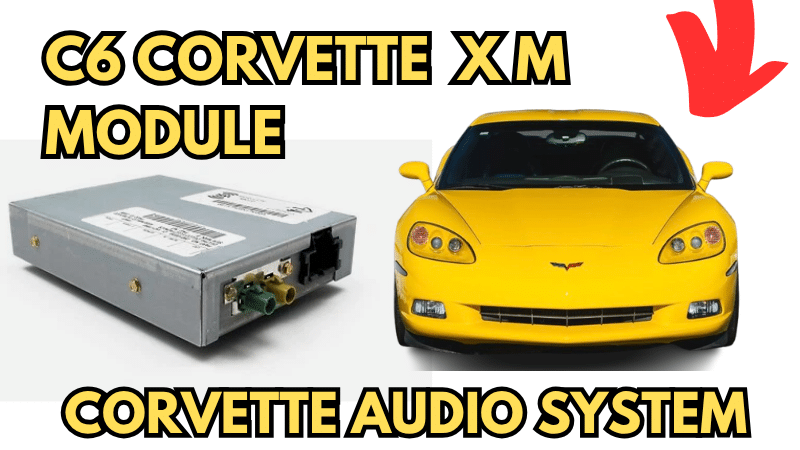
C6 Corvettes with XM satellite radio contain wiring infrastructure that owners have exploited for aux input. By splicing into pins 2, 3, and 10 of the XM connector, you theoretically redirect audio signals from external devices through the factory radio.
The modification involves cutting factory wires and soldering or splicing connector leads to the factory wiring harness. Pressing the XM button supposedly plays your connected device instead of satellite radio.
Sounds simple enough. Forum posts describe the installation as straightforward DIY work requiring basic soldering skills. What these posts rarely mention is the cascade of electrical problems that often follow.
Ground Loop Creation
Splicing into XM module wiring frequently creates the ground loop conditions causing alternator whine in the first place. The modification introduces additional grounding paths that conflict with factory electrical architecture.
Ground loops occur when different circuits ground at physically different points on the vehicle frame. The tiny voltage potential differences allow electrical noise from the alternator to ride audio cables straight to your speakers.
The Battery Drain Disaster
One forum owner documented the aftermath of following a popular XM aux hack tutorial. After completing the modification, his battery tender could no longer keep pace with the constant drain. Pulling the radio fuse confirmed the audio circuit as the culprit.
The XM module and associated wiring draw minimal power when properly configured. Spliced connections may prevent proper sleep mode activation, keeping circuits energized continuously. The drain accumulates rapidly, killing batteries within days.
PAC support representatives confirm this pattern. Modules not entering sleep mode draw 45 milliamps when they should draw 10. Over parking periods, this difference depletes batteries that properly configured systems maintain for weeks.
BCM Communication Disruption
Body control module communication depends on proper circuit integrity throughout the vehicle network. Spliced XM connections may interrupt communication protocols, preventing sleep mode commands from reaching audio components.
Diagnosing these problems requires dealer-level scan tools beyond typical OBD-II readers. The troubleshooting investment often exceeds original modification costs while potentially leaving problems unresolved.
Why C6 Corvette Alternator Whine Persists
Owners attempting XM module splicing to add aux input often discover the C6 Corvette Alternator Whine they hoped to eliminate actually intensifies. The Corvette Forum Alternator Whine Discussion documents this frustrating pattern repeatedly.
The ground loop isolation that eliminates C6 Corvette Alternator Whine requires clean signal pathways without the voltage potential differences that spliced connections often create. Adding wiring to existing circuits introduces exactly the conditions that cause noise problems.
Factory engineers carefully designed audio circuit grounding to minimize noise. Modifying these circuits without understanding their architecture frequently makes existing problems worse while creating new ones.
The Bose Amplifier Factor
C6 Corvettes with Bose audio systems amplify any noise present in input signals. The amplifier cannot distinguish between music and electrical interference, treating both equally. What seems like minor noise at input becomes significant when amplified.
Spliced XM connections often introduce enough noise to make the C6 Corvette Alternator Whine unbearable even at low volumes. The sophisticated factory amplification that delivers excellent music reproduction faithfully reproduces electrical interference with equal clarity.
Resale Value Destruction
A stock C6 is becoming a collector’s item. A C6 with hacked wiring harness is a buyer’s nightmare. Knowledgeable purchasers inspect audio systems during evaluation, recognizing splice evidence as warning signs of potentially deeper electrical issues.
The Stock Radio approach maintains factory wiring integrity that sophisticated buyers value. Spliced connections suggest inexpert modification work that may extend beyond visible areas.
Disclosing XM module modifications during sales creates buyer hesitation regardless of claimed functionality. The modification history suggests ownership approach that may affect valuations beyond audio system concerns.
Factory Feature Loss
Spliced XM module wiring sacrifices satellite radio functionality permanently unless you reverse the modification completely. Proper reversal requires removing splices and restoring original connections, which rarely achieves factory integrity.
XM capability represents original equipment functionality that some buyers specifically seek. Losing this feature while attempting modern convenience upgrades creates net functionality reduction rather than enhancement.
The Ground Loop Science
Understanding C6 Corvette Alternator Whine requires understanding ground loops. When you charge your smartphone while playing music through aux input, you create two electrical paths between phone and vehicle.
Path A runs from phone through charging cable to cigarette lighter to chassis to battery. Path B runs from phone through aux cable to head unit to chassis to battery. These paths ground at different physical locations creating voltage potential differences.
Your alternator generates AC power rectified into DC. The rectification produces ripple or electrical noise. The voltage difference between grounding points allows this noise to travel audio cables to speakers.
Why Splicing Makes It Worse
Spliced connections add additional grounding paths and potential differences. Every splice point becomes another location where noise can enter the audio signal chain. More splice points mean more opportunities for interference.
Factory engineers minimize ground loop potential through careful circuit design and grounding point selection. Amateur modifications disrupting this architecture introduce problems that factory design specifically avoided.
The Simple Solutions
You can fix C6 Corvette Alternator Whine in 30 seconds with zero tools and zero wire cutting. Forget the soldering iron and the XM module splice. Here are methods that actually work without destroying your Corvette’s electrical integrity.
Ground loop isolators represent the simplest solution. These inexpensive dongles plug between audio source and aux input, using internal transformers to break direct electrical connection while coupling audio magnetically. The isolator blocks DC voltage carrying the whine while passing AC audio signals freely.
The Power Source Trick
C6 Corvettes have two power outlets with different grounding paths. Moving your USB charger from dash to center console outlet changes resistance enough to reduce noise significantly in many cases. Try both outlets before attempting any modification.
This costs nothing and takes seconds. Many owners discover this simple change eliminates their C6 Corvette Alternator Whine completely. The different grounding paths may eliminate the voltage potential difference causing their specific noise problem.
The Wireless Solution
FM transmission eliminates C6 Corvette Alternator Whine concerns entirely through fundamentally different signal transmission. No aux cable creates ground loop possibility. No charging while connected creates path conflicts. The Corvette Bluetooth Adapter provides clean audio without the complications.
Quality transmitters designed for older vehicle electrical systems include ground loop isolation technology built into the circuitry. The internal management eliminates noise problems that plague wired aux connections.
Wireless transmission also eliminates the tangled cables cluttering cockpits. No aux cable running to center console. No charging cable competing for outlets. Clean, simple setup that works reliably without ongoing troubleshooting.
Built-In Isolation Technology
Premium transmitters incorporate isolation circuitry preventing ground loop formation regardless of charging status. You can charge your phone and stream audio simultaneously without C6 Corvette Alternator Whine because the isolation is engineered into the device.
Compare this with splice-based aux hacks requiring separate ground loop isolators that may or may not resolve problems depending on your specific vehicle’s grounding configuration. Built-in solutions prove more reliable than layered fixes.
Installation Comparison
Plug transmitter into accessory outlet. Pair smartphone through bluetooth. Tune factory radio to matching frequency. Complete setup takes under five minutes without disassembly, soldering, or permanent modification.
Compare this with XM module splicing requiring dash removal, connector disassembly, wire cutting, soldering multiple connections, and reassembly hoping nothing goes wrong. The complexity difference proves dramatic while wireless solutions deliver superior reliability.
Removal Flexibility
Transmitters remove instantly leaving zero modification evidence. Stock presentation for shows or sales takes seconds. Complete factory appearance returns immediately.
XM module splices require significant effort to reverse. Resoldering factory connections rarely achieves original integrity. Modification history remains detectable.
Protecting Factory Integrity
Your C6 Corvette represents significant investment that spliced wiring jeopardizes. The potential problems extend beyond audio into broader electrical system concerns. BCM communication, sleep mode function, and battery health all depend on intact factory wiring.
The C6 Corvette Alternator Whine Fix through non-invasive methods preserves everything making your Corvette valuable while solving the noise problem permanently. No splices, no cut wires, no modification evidence.
Keep your Corvette stock. Protect its value. Solve C6 Corvette Alternator Whine properly. The wireless approach delivers modern convenience without the disasters that XM module splicing creates for so many well-intentioned owners.
Frequently Asked Questions (FAQs)
1. Why Does My Aux Input Cause C6 Corvette Alternator Whine?
Ground loops form when your phone charges while playing through aux input. The two electrical paths ground at different chassis locations creating voltage differences. Your alternator’s electrical noise travels these paths to speakers, creating the characteristic whine.
2. Will Splicing My XM Module Fix The Noise?
No, splicing typically worsens C6 Corvette Alternator Whine by introducing additional grounding paths and potential differences. The modification creates more opportunities for noise to enter the signal chain rather than eliminating existing problems.
3. What Problems Does XM Module Splicing Cause?
Common problems include battery drain from circuits not entering sleep mode, intensified C6 Corvette Alternator Whine, BCM communication errors, and permanent loss of satellite radio functionality. Diagnosis requires dealer-level equipment.
4. How Do Ground Loop Isolators Work?
Isolators use internal transformers to break direct electrical connection between devices while coupling audio signals magnetically. They block DC voltage carrying C6 Corvette Alternator Whine while allowing AC audio signals to pass through cleanly.
5. Why Do Wireless Transmitters Avoid These Problems?
FM transmission creates no physical electrical connection between phone and vehicle audio system. No aux cable means no ground loop path. Quality transmitters include built-in isolation preventing noise regardless of phone charging status.