

That moment comes fast. You get in your older Mercedes, Lexus, BMW, Porsche, Audi, or Corvette, glance at that clean original dash, and think, I am not ripping this thing apart just to stream music. Good instinct. If you’re trying to figure out how to keep factory radio while adding modern audio and calling, the answer is not a cheap FM transmitter and it’s definitely not a bargain-bin touchscreen stuffed into a beautifully designed interior.
The right move is keeping what the car came with and modernizing around it. That matters more on premium older vehicles because the radio is usually tied into the look of the cabin, the factory amp, steering wheel controls, and in many cases a fiber optic audio network. Pull the wrong piece out and you don’t just lose originality. You can lose sound quality, factory functions, and a lot of the reason the car feels special in the first place.
Why keeping the factory radio is usually the smart play
A lot of older luxury cars were engineered as complete systems, not mix-and-match stereo projects. The head unit, amplifier, CD changer, phone module, and controls often talk to each other in ways that make aftermarket replacement more annoying than people expect. What looks like a simple radio swap on YouTube can turn into trim damage, warning lights, bad sound, dead speakers, or a dash that suddenly looks cheap.
Then there’s the interior itself. A factory radio belongs in the car. The lighting matches. The buttons fit. The design feels right. On a future classic or a well-kept enthusiast car, that matters. It matters for resale, it matters for pride of ownership, and it matters every time you sit behind the wheel.
If all you really want is Bluetooth streaming and hands-free calling, replacing the whole radio is usually overkill. You’re solving the wrong problem with a bigger hammer than needed.
How to keep factory radio without settling for bad audio
Let’s get honest about the common options.
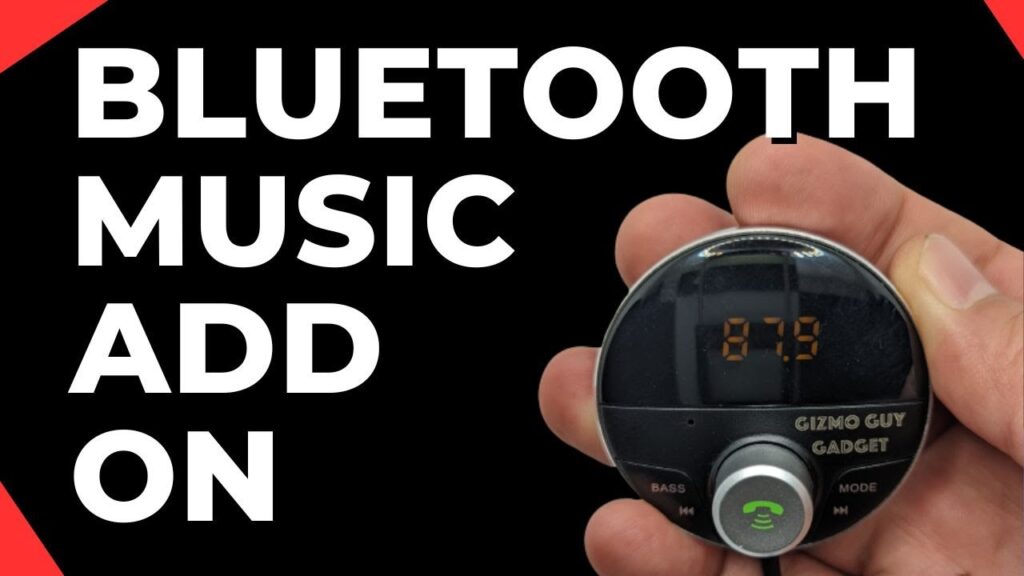
FM transmitters are cheap because they sound cheap. They fight with local radio stations, add noise, and usually make your premium factory system sound like it got wrapped in a wet towel. If you spent money on a car with a real sound system, feeding it through an FM signal is a step backward.
Cassette adapters are fine if you’re in a 1996 daily beater and your expectations are low. On a well-kept S-Class, LS, 5 Series, 911, or C6 Corvette, not so much.
Universal Bluetooth adapters can work in some cars, but “work” is doing a lot of heavy lifting there. Some are inconsistent, some need clumsy power wiring, and some give you weird volume behavior, poor call quality, or a setup that feels tacked on.
The cleanest answer is a vehicle-specific integration kit that connects to the factory system the way it’s meant to be connected. That’s the difference between adding Bluetooth and jury-rigging Bluetooth.
What actually works in older luxury and enthusiast cars
If your car has a premium OEM audio system, especially from roughly 1998 to 2012, the best solution is usually a plug-and-play module designed for that exact platform. Not “kind of fits.” Not “should work with most models.” Exact platform.
Why so specific? Because older premium systems aren’t generic. Some use fiber optic communication. Some use external amps. Some need to mimic a CD changer or use a particular audio input path. The good kits are built around that reality.
Done right, you keep the original head unit, keep the stock look, keep the factory amp and speakers, and add modern wireless streaming and calling with audio quality that’s miles better than FM junk. No static. No hiss. No giant screen glowing blue in a warm amber interior.
That preservation-first approach is exactly why owners go this route. You want the car to stay itself. You just want it to stop acting like Bluetooth was never invented.
Vehicle-specific compatibility is everything
This is where people get burned. They’ll buy a universal adapter because the listing says it fits “most European vehicles” or “many luxury cars.” That usually means nobody did the hard work.
Before buying anything, you need to confirm the actual audio architecture in your vehicle. Year, model, trim, radio type, factory navigation or not, premium sound package or not, fiber optic system or not – all of it matters. Sometimes the same model line changes mid-generation.
That sounds tedious, but it saves money and aggravation. A proper kit should be matched to the exact car, not the vague idea of the car.
Installation should be fast, not a weekend of nonsense
A good integration kit should not require you to become an electrical engineer. In many cases, installation is straightforward because the module is designed around factory connectors and factory logic. That’s the whole point.
Now, does every car install exactly the same way? No. Some are dead simple. Some require access to the trunk, amp area, or rear electronics because that’s where the audio modules live. Some fiber optic setups need a little more care. But there is a big difference between a clean, purpose-built install and a science experiment with spliced wires and mystery noise.
If a product description sounds vague about installation, compatibility, or sound quality, trust your gut.
The trade-offs nobody tells you about
Keeping the factory radio is usually the best move, but let’s not pretend there are zero compromises.
First, you’re still using the original head unit interface. That means you may not get a giant touchscreen with album art, app icons, and every modern feature under the sun. If your goal is to turn your 2004 dashboard into a 2025 tablet, this isn’t that.
Second, feature sets vary by vehicle. Some systems support track control more elegantly than others. Some calling setups are cleaner than others depending on the car’s original electronics. And in some vehicles, a factory-style Bluetooth upgrade gives you exactly what you need – music, calls, clean audio – without pretending to be a full infotainment overhaul.
For most owners, that’s not a downside. It’s the point. Keep the cabin original. Add the functions you actually use. Don’t wreck the character of the car chasing features you’ll stop noticing in a week.
How to choose the right solution for your car
Start with your non-negotiables. Most owners in this category care about four things: no dash cutting, no static, no factory feature loss, and no ugly aftermarket look. That’s the baseline.
Then look at your car realistically. Is it a weekend car you want to preserve? A daily driver that needs reliable hands-free calling? A collector-grade interior you don’t want touched? Your answer affects what matters most.
If audio quality is your top priority, skip any solution that routes through FM. If originality is the priority, skip radio replacement. If you hate wiring drama, skip anything universal unless the seller can prove it works specifically with your setup.
This is also where buying from a specialist matters. A company focused on these exact vehicles is far more useful than a giant electronics warehouse selling one adapter for everything with wheels. Owners of older premium cars don’t need generic advice. They need someone who already knows the difference between a straightforward install and a compatibility nightmare.
That’s why brands like Gizmo Guy Gadgets resonate with enthusiast owners – the whole approach starts with preserving the factory system instead of tearing it out and calling that progress.
When replacing the radio does make sense
Fair question. There are cases where an aftermarket head unit is the right call.
If the factory radio is already dead, the screen has failed, major components are missing, or the interior has already been modified beyond saving, replacement might be reasonable. Same goes if you truly want CarPlay, Android Auto, cameras, onboard navigation, and a fully modern interface more than you care about the original look.
But that’s a different goal. That’s not how to keep factory radio. That’s choosing a new system entirely. Nothing wrong with it if it fits the car and your priorities. Just don’t let anybody sell it as the only answer when all you wanted was Bluetooth in a clean OEM cabin.
The best reason to keep the original setup
Older luxury and enthusiast cars have personality. A lot of new cars don’t. The switchgear, the lighting, the shape of the dash, the way the factory audio system was integrated – it’s part of the ownership experience. Once you rip that out, you usually don’t get it back.
Modern convenience should feel like an upgrade, not an invasion. If you can keep the original radio, keep the factory look, and add the one thing your car is missing without static or hack-job wiring, that’s the sweet spot.
The smart upgrade is the one that respects the car. A few years from now, you’ll care a lot more about that than some flashy screen that looked cool for ten minutes.