

Modern Streaming Without Full Infotainment Replacements
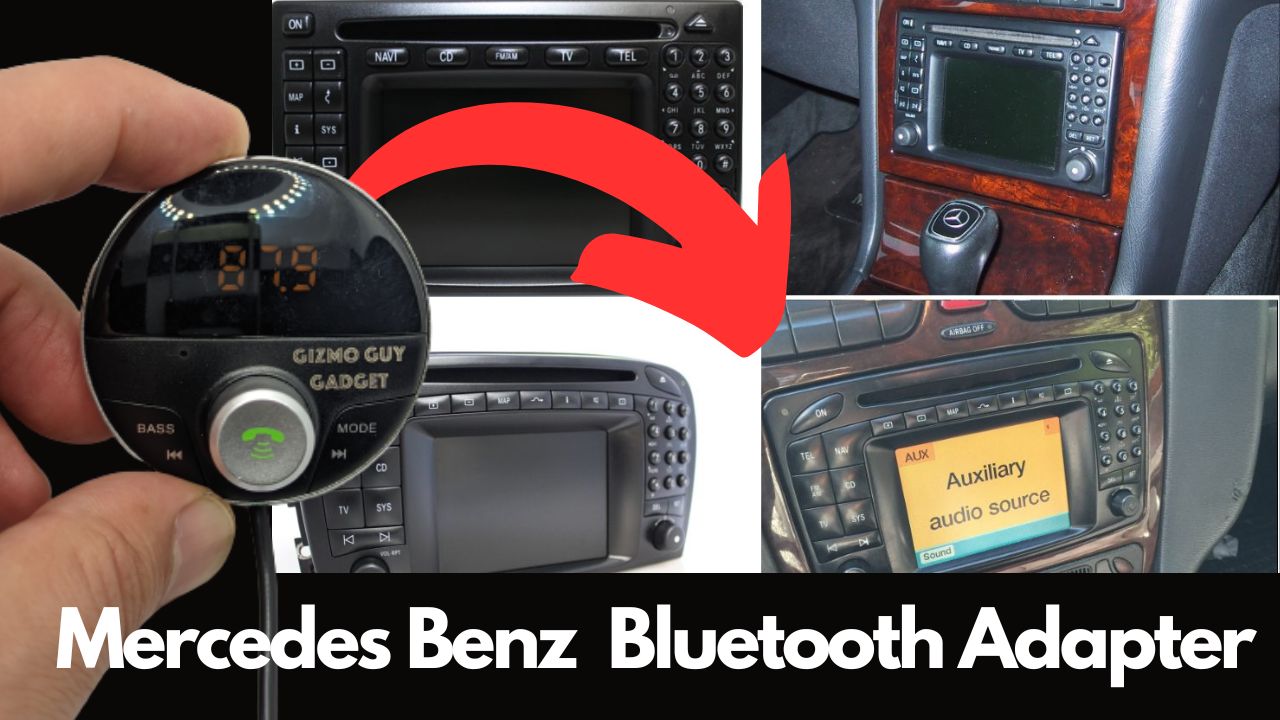
Table of Contents
Getting a proper mercedes audio streaming upgrade can revolutionize your driving experience when you discover that expensive full system replacements are completely unnecessary for modern wireless capability.
The car audio industry has conditioned Mercedes owners to believe that streaming requires replacing perfectly functional factory components, but this simply isn’t true.
Walk into most car audio shops with a Mercedes, and installers immediately push three thousand dollar system replacements.
They’ll tell you your factory head unit is outdated, your amplifier needs upgrading, and aftermarket touchscreens are the only path to modern streaming. This sales pitch ignores the reality that your existing Mercedes audio components already deliver excellent performance and just need proper wireless source material.
The Replacement Myth Explained
The car audio industry profits heavily from full system replacements, creating strong financial incentives to convince Mercedes owners that streaming requires complete overhauls. Installers earn far more from complex installations than simple solutions, so they naturally steer customers toward expensive work regardless of actual need.
Your factory Mercedes audio system consists of three main components working together. The head unit provides control interface and basic processing. The amplifier delivers power to speakers. The speakers convert electrical signals into sound. When seeking a Mercedes audio streaming upgrade, only the source material needs updating, not the entire signal chain.
Modern streaming audio from services like Spotify, Apple Music, or Tidal already arrives compressed and optimized for mobile playback. Your factory amplifiers and speakers reproduce this content beautifully without requiring upgrades. The quality bottleneck isn’t your hardware, it’s simply the lack of wireless connectivity from your phone to your audio system.
What Your Factory System Already Does Well
Before considering any Mercedes audio streaming upgrade, recognize what your existing system already accomplishes exceptionally. Mercedes equips vehicles with quality amplifiers featuring sophisticated digital signal processing. These amplifiers were engineered specifically for your cabin acoustics, speaker placement, and interior materials.
Factory speakers in Mercedes vehicles, even base models, outperform aftermarket replacements costing hundreds of dollars. Premium Bose and Burmester systems deliver sound quality that audiophiles appreciate.
These speakers feature proper mounting, optimal positioning, and integration with cabin design that aftermarket installers struggle to match without massive investments.
The factory head unit integrates seamlessly with your entire vehicle. Beyond audio, it controls climate displays, parking sensors, vehicle diagnostics, and numerous comfort features. This integration took Mercedes engineers years to perfect. Aftermarket replacements sacrifice this refinement for touchscreen novelty that adds minimal practical value.
Why Streaming Doesn’t Require Replacement

Streaming audio requires only one thing that your factory system lacks, a wireless connection from your smartphone to your audio inputs. This single missing link doesn’t justify replacing thousands of dollars worth of perfectly functional amplifiers, speakers, and integrated controls. The solution is adding connectivity, not replacement.
Think of it like buying a new house because your current home lacks internet service. The logical solution is adding internet connectivity, not demolishing and rebuilding the entire structure. Similarly, your Mercedes audio streaming upgrade should add wireless capability to existing quality components rather than replacing them unnecessarily.
Modern solutions exist specifically for adding streaming without replacement. These approaches work with your factory system exactly as Mercedes designed it, maintaining integration, preserving aesthetics, and delivering excellent sound quality through components already optimized for your specific vehicle.
The Smart Upgrade Path
The intelligent approach to Mercedes audio streaming upgrade involves premium FM transmitters that add wireless capability while preserving your entire factory system. These devices evolved dramatically from cheap gas station options that gave FM transmission a poor reputation years ago.
Quality transmitters now incorporate technology rivaling direct-connection solutions. Advanced noise cancellation eliminates interference. Sophisticated power filtering removes electrical noise. Strong broadcasting with frequency stability delivers clean signals. The result is audio quality that consistently surprises owners expecting typical FM performance.
Installation couldn’t be simpler. Plug the transmitter into your power outlet, pair your phone, tune to a clear frequency, and you’re streaming. Two minutes from package opening to music playing through your speakers. No dash disassembly, no wiring work, no professional installation required.
Real Cost Comparison
Understanding true costs reveals how much unnecessary replacement wastes. Full system replacement starts with aftermarket head units ranging from five hundred to fifteen hundred dollars for quality units. Add three hundred to six hundred for installation labor. Include another two hundred to five hundred for adapters maintaining vehicle functions. The total often exceeds three thousand dollars.
Premium streaming solutions cost one hundred to two hundred dollars with zero installation labor. You save over two thousand five hundred dollars while achieving equivalent or better results since you’re keeping Mercedes-engineered amplifiers and speakers rather than downgrading to aftermarket alternatives optimized for profit margins rather than sound quality.
The financial waste becomes even clearer when considering depreciation. Aftermarket installations typically reduce resale value since buyers prefer factory systems. Your three thousand dollar investment actually costs you money twice, once during installation and again when selling at reduced value compared to factory-equipped examples.
Sound Quality Reality Check
Sound quality comparisons reveal uncomfortable truths for the replacement industry. Controlled testing shows premium streaming solutions through factory Mercedes systems matching or exceeding aftermarket installations costing exponentially more. The difference isn’t the electronics, it’s the speakers and cabin acoustics.
Mercedes spent millions engineering speaker placement, amplifier tuning, and acoustic optimization for your specific model. Aftermarket installers working in hours can’t replicate this refinement. They install generic speakers in factory locations using universal amplifiers, hoping volume masks the lack of proper integration.
Your factory Bose or Burmester system represents audio engineering that aftermarket options rarely approach. These premium packages feature custom drivers, optimized crossovers, and amplification specifically designed for your cabin.
Replacing them for streaming capability makes as much sense as replacing a house’s foundation because you want different kitchen countertops.
Integration Preservation Benefits
Integration preservation represents a massive but often overlooked advantage of proper Mercedes audio streaming upgrade approaches. Your factory head unit communicates with dozens of vehicle systems through protocols aftermarket replacements can’t fully replicate despite adapter promises.
Climate control feedback, parking sensor displays, vehicle warning systems, and diagnostic information all route through factory head units. Aftermarket replacements require expensive adapter boxes attempting to maintain these functions, but compatibility proves imperfect. Features randomly stop working, displays glitch, and functionality degrades over time.
Steering wheel controls present another integration challenge. Factory systems respond instantly to button presses with perfect reliability. Aftermarket installations often introduce delays, missed inputs, or complete failures requiring repeated programming attempts.
The frustration of degraded controls eventually outweighs any perceived benefits of touchscreen novelty.
Aesthetic Considerations
Aesthetic impact matters tremendously in Mercedes vehicles where interior design represents a key brand differentiator. Factory head units integrate perfectly with surrounding trim, featuring matching materials, complementary lighting, and seamless panel gaps. This design cohesion defines luxury vehicle interiors.
Aftermarket head units inevitably clash with factory aesthetics. Screen sizes rarely match original openings perfectly. Button layouts differ from surrounding controls. Lighting colors mismatch. Panel gaps widen. The overall effect screams “aftermarket installation” to anyone familiar with Mercedes design language.
Resale value suffers significantly from obvious aftermarket installations. Potential buyers specifically seeking well-maintained examples immediately notice non-factory head units and question what other modifications exist. Many buyers simply avoid vehicles with aftermarket audio entirely, reducing your selling pool substantially.
Wireless Technology Evolution
Understanding how wireless technology evolved helps appreciate why simple solutions now work excellently. Early implementations suffered from poor chipsets, weak broadcasting, and inadequate noise filtering. These limitations created the poor reputation that persists despite dramatic improvements.
Modern wireless protocols deliver near-lossless audio transmission. Advanced chipsets maintain signal integrity throughout the connection. Sophisticated error correction ensures dropouts remain rare even in challenging RF environments. The technology matured to the point where wireless connections often outperform physical aux cables that degrade over time.
FM transmission technology similarly evolved beyond recognition. Premium transmitters now feature digital signal processing, adaptive broadcasting, and interference rejection that early devices lacked completely. Sound quality improved from barely acceptable to genuinely excellent when implemented with quality components.

Specific Use Case Benefits
Different driving patterns reveal specific advantages of streaming upgrades over replacements. Daily commuters appreciate the simplicity of immediate setup without dealership visits or installer scheduling. Your car sits in your garage, not an installation bay for days while work proceeds.
Road trip enthusiasts value the flexibility of moving streaming devices between vehicles. Own multiple cars? Transfer your transmitter in seconds rather than installing permanent systems in each vehicle. Renting cars frequently? Bring your familiar streaming setup anywhere instantly.
Lease customers benefit enormously from zero-modification approaches. Return your vehicle in perfect factory condition without worrying about reinstalling original equipment or negotiating with dealers over modifications. The flexibility proves invaluable for anyone not owning their vehicle long-term.
Technical Compatibility
Technical compatibility concerns disappear with proper mercedes audio streaming upgrade approaches. Factory systems using advanced network technology present compatibility nightmares for direct-connection solutions.
Aftermarket installers often discover mid-installation that promised adapters don’t actually work with specific vehicle configurations using MOST Upgrade technology.
Premium streaming solutions bypass compatibility concerns entirely by working with your FM radio, which exists in every Mercedes regardless of audio system generation or complexity. Whether you own a basic Mercedes-Benz C-Class or flagship sedan, the approach works identically without model-specific considerations.
This universal compatibility extends across production years seamlessly. Vehicles from the early 2000s work perfectly alongside current models. Whether you drive a luxury sedan benefiting from Tips and Tricks for maintenance or other Mercedes model, streaming works immediately.
Long-Term Value Proposition
Long-term value strongly favors streaming upgrades over replacement. Quality streaming devices last years with proper care, providing reliable daily performance without degradation. Premium units feature robust construction surviving temperature extremes and vibration inherent in automotive environments.
Replacement systems present ongoing concerns beyond initial costs. Aftermarket head units become obsolete quickly as technology evolves. Firmware updates stop, compatibility with new phones degrades, and features that seemed modern become dated within years. The cycle encourages repeated upgrades chasing current technology.
Factory systems maintain value through Mercedes dealer support and parts availability. Your original head unit can be serviced decades later if needed. Aftermarket installations become orphaned when manufacturers discontinue support, leaving you with expensive but useless equipment requiring complete replacement.
Professional Installer Perspectives
Professional installers working independently rather than in high-volume shops often acknowledge that streaming solutions make more sense than replacements for most customers. They recognize that shops push expensive work for profit rather than customer benefit, creating industry-wide credibility problems.
Honest installers admit that the majority of replacement customers would achieve better results keeping factory systems and adding quality streaming. But shops can’t survive on hundred dollar streaming device sales, so they emphasize work generating thousands in revenue regardless of whether customers actually need it.
This conflict of interest explains why independent research reveals overwhelming satisfaction among owners who chose streaming over replacement. Without sales pressure, people recognize that their factory systems already deliver excellent performance and just need wireless connectivity added thoughtfully.
Making Your Informed Decision
Making informed decisions about Mercedes audio streaming upgrade requires seeing through industry marketing and recognizing what you actually need versus what generates profits for installers. You need wireless streaming capability. You don’t need new amplifiers, speakers, or head units unless those components are actually malfunctioning.
Quality streaming solutions deliver everything most Mercedes owners want. Wireless music from phones. Navigation audio from apps. Hands-free calling. Fast phone charging. All while preserving factory integration, maintaining interior aesthetics, and saving thousands of dollars that replacement approaches waste unnecessarily.
The choice becomes obvious when you analyze it rationally. Keep your Mercedes-engineered audio system functioning exactly as designed while adding modern wireless capability through quality streaming solutions. Reject the replacement myth that serves installer profits rather than customer interests.
GizmoGuyGadgets Honest Approach
For Mercedes owners seeking realistic advice rather than sales pitches, GizmoGuyGadgets provides honest perspectives about what actually works versus what generates installer profits. Their experience shows that the vast majority of owners achieve better results through quality streaming solutions than expensive replacements they don’t actually need.
The focus on premium streaming devices reflects understanding that Mercedes owners want modern capability without unnecessary expense or aesthetic compromise. Quality solutions deliver genuine value rather than marking up services that replacement-focused shops push regardless of customer benefit.
Moving Forward Intelligently
Your Mercedes audio system already delivers quality performance that expensive replacements can’t meaningfully improve. The intelligent path forward adds streaming capability to your existing quality components rather than replacing them with aftermarket alternatives optimized for installer profit margins.
Whether you drive a classic Mercedes or recent model, streaming capability enhances every drive without requiring thousands in unnecessary work. Your factory speakers, amplifiers, and integration continue performing exactly as Mercedes engineered while gaining wireless access to unlimited music, podcasts, and navigation audio.
Make the smart decision. Add streaming intelligently through quality solutions rather than falling for replacement myths that benefit installers far more than customers. Your Mercedes audio streaming upgrade should enhance your system, not replace it unnecessarily for someone else’s profit.
Frequently Asked Questions (FAQs)
1. Don’t Aftermarket Head Units Have Better Technology Than Factory Systems?
Aftermarket head units feature flashy touchscreens and trendy interfaces, but these cosmetic elements don’t improve actual sound quality. Your factory Mercedes amplifiers and speakers determine audio performance far more than head unit technology.
Modern streaming audio from phones already arrives optimized and compressed, so fancy head unit processing provides minimal benefit. Factory systems integrate seamlessly with vehicle functions that aftermarket units struggle to replicate despite promises.
The technology that matters, amplification and speakers, already exists in your Mercedes optimally configured. Aftermarket head units primarily benefit installer profit margins rather than your listening experience.
2. Won’t Streaming Through FM Sound Worse Than Direct Connection?
Premium FM transmitters using modern technology deliver sound quality rivaling direct connections through your existing quality speakers and amplifiers. Advanced noise cancellation, power filtering, and strong broadcasting eliminate issues that plagued early FM devices.
Controlled testing shows most listeners cannot distinguish between premium FM transmission and direct connections when using compressed streaming audio that represents typical use.
The quality bottleneck is streaming service compression, not transmission method. Your factory Bose or Burmester speakers reveal how clean modern premium transmitters actually perform versus outdated FM technology perceptions.
3. What About Resale Value With Factory Systems Versus Aftermarket?
Factory audio systems consistently command higher resale values than aftermarket installations. Buyers seeking well-maintained Mercedes specifically prefer original equipment, viewing aftermarket modifications as red flags suggesting other undisclosed changes.
Obvious aftermarket head units immediately reduce your potential buyer pool since many shoppers automatically eliminate modified vehicles from consideration.
You invest thousands in replacement, then lose additional thousands in reduced resale value compared to factory-equipped examples. Keeping factory systems while adding removable streaming capability preserves maximum resale value.
4. Can’t I Just Get Adapters to Maintain All Factory Functions?
Aftermarket installers promise adapters will maintain all factory functions, but reality proves disappointing. Adapters attempt reverse-engineering Mercedes proprietary protocols with imperfect results. Climate displays glitch, parking sensors malfunction, steering wheel controls become unreliable, and diagnostic systems lose functionality.
Even expensive adapters can’t fully replicate the integration that Mercedes engineers spent years perfecting. Functions work intermittently at best, and compatibility degrades over time as vehicles and phones update.
The only way to truly maintain factory integration is keeping factory systems and adding streaming through non-invasive methods that don’t interfere with existing functions.
5. Why Do Car Audio Shops Push Replacement If Streaming Works Fine?
Car audio shops survive on installation labor and equipment markups, creating strong financial incentives to recommend expensive work regardless of actual customer need. A shop earns perhaps fifty dollars profit on streaming device sales versus two thousand dollars profit on full system replacement including labor.
This massive profit differential explains aggressive sales tactics pushing replacement. Shops can’t survive recommending appropriate solutions when those solutions generate minimal revenue.
The industry creates conflicts of interest where recommendations serve shop profitability rather than customer benefit. Independent analysis consistently shows streaming solutions satisfy most owners better than unnecessary replacements.